


ASEAN-IPR Equips Young Leaders with Skills to Prevent Violent Radicalisation and Promote Peace in ASEAN
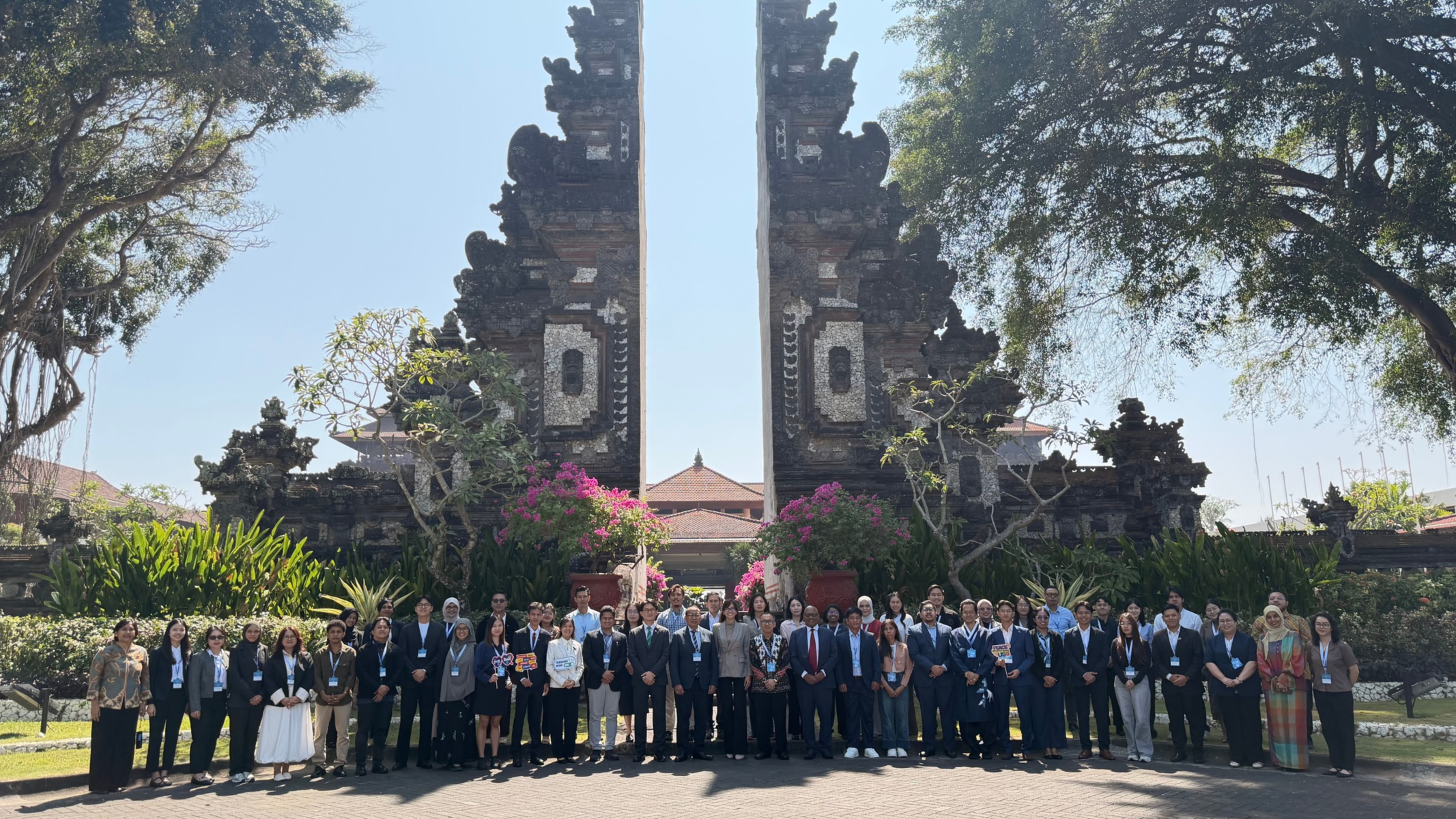
Bali, Indonesia, 14 October 2026 - The ASEAN Institute for Peace and Reconciliation (ASEAN-IPR), with the support of the Government of the Republic of Korea through the ASEAN-Korea Cooperation Fund (AKCF), organised the ASEAN-IPR Course: Preventing Violent Radicalisation among Youth from 12 to 14 October 2026 in Nusa Dua, Bali, Indonesia.
The three-day Course brought together 36 young participants from ASEAN Member States and the Republic of Korea to strengthen their understanding of contemporary forms of violent radicalisation and equip them with practical knowledge and skills to promote resilience, peaceful engagement and violence prevention in their respective communities. Through expert presentations, case studies, interactive exercises and group discussions, the Course provided a platform for participants to exchange perspectives, examine emerging challenges affecting young people and explore practical approaches to preventing violence.
The Course was developed based on the findings of the ASEAN-IPR Regional Baseline Study on contemporary trends in radicalisation, youth and violence in ASEAN. The study examined different pathways through which young people may become vulnerable to violence, highlighting the interaction of personal grievances, social exclusion, psychological factors, ideological narratives, historical circumstances and digital environments. These findings underscored the importance of developing prevention approaches that respond to the diversity of youth experiences and the evolving nature of violent radicalisation across the region.
The Course also builds on the priorities outlined in the Bali Work Plan (2019–2026), particularly youth empowerment, the prevention of radicalisation and violent extremism, and the promotion of a culture of peace. It further contributes to the implementation of the Plan of Action to Implement the ASEAN–Republic of Korea Comprehensive Strategic Partnership (2026–2030), particularly in advancing peace and reconciliation, the Youth, Peace and Security agenda, and conflict prevention.
Recognising that violent radicalisation cannot be explained by a single factor or pathway, the Course adopted a multidisciplinary and prevention-oriented approach. It sought to strengthen participants' understanding of the social, psychological, behavioural and digital dimensions of violent radicalisation while developing practical competencies in critical thinking, emotional regulation, conflict resolution and responsible digital engagement. The training also emphasised human rights, social inclusion and the importance of recognising young people as active contributors to prevention and peacebuilding.
The opening ceremony featured remarks by H.E. Ambassador I Gusti Agung Wesaka Puja, Executive Director of ASEAN-IPR; remarks delivered on behalf of H.E. Evangeline T. Ong Jimenez-Ducrocq, Permanent Representative of the Philippines to ASEAN and Chair of the ASEAN-IPR Governing Council; H.E. Ambassador Lee Chul, Ambassador of the Republic of Korea to ASEAN; and a keynote address by Mr. Dionisius, representing Indonesia's leadership of the ASEAN Senior Officials Meeting on Transnational Crime (SOMTC) Working Group on Counter Terrorism.
The opening remarks highlighted the evolving nature of violent radicalisation and the importance of understanding the different circumstances that may influence young people's vulnerability to violence. Particular emphasis was placed on the need to move beyond security-oriented responses by empowering young people with critical-thinking skills, digital literacy, peaceful conflict-resolution capacities and a strong sense of belonging. The remarks delivered on behalf of the Chair of the ASEAN-IPR Governing Council further underscored that preventing violent radicalisation is not only a security concern, but also an agenda for peacebuilding, education and youth empowerment. Participants were encouraged to translate their learning into practical actions and become active contributors to peace within their communities. The Republic of Korea's support through AKCF was also acknowledged as an important contribution to ASEAN-ROK cooperation in advancing regional peace, security and resilience.
The first day of training focused on establishing a common understanding of the evolving landscape of youth violence and violent radicalisation in ASEAN. The sessions examined established and emerging forms of violent radicalisation, including the influence of personal grievances, social circumstances and harmful online communities. Case-based perspectives from Indonesia and the Philippines provided insights into emerging patterns of youth vulnerability to violence. Participants also explored the importance of human rights and restorative justice, as well as the intersection of gender, identity and youth vulnerability. Through interactive discussions and exercises, the sessions highlighted the importance of inclusive and context-sensitive approaches to prevention.
The second day focused on strengthening participants' practical skills in recognising behavioural indicators of violent radicalisation, managing emotions and applying critical thinking. The sessions emphasised the importance of understanding individual circumstances, recognising protective factors and responding constructively to grievances, while avoiding assumptions or stigmatisation. Participants were also introduced to critical-thinking techniques and common logical fallacies, equipping them with practical tools to question assumptions, evaluate information, identify manipulative narratives and engage in respectful dialogue. Case studies, group discussions and interactive exercises encouraged participants to apply these skills to real-life situations.
The third and final day emphasised the practical application of knowledge and skills acquired throughout the Course. Participants explored approaches to resolving peer conflicts through dialogue, active listening and constructive communication. The sessions also addressed healthy digital habits and responsible social media use, including emerging challenges such as disinformation, deepfakes and cyber influence operations. An interactive case analysis provided participants with an opportunity to integrate their learning and consider multidisciplinary approaches to preventing youth violence, taking into account human rights, individual circumstances and community needs.
The Course concluded with an individual action-planning exercise, during which participants developed Mini Action Plans outlining practical initiatives to apply their learning within their respective communities and professional environments. These plans encouraged participants to identify feasible activities that could contribute to raising awareness, strengthening resilience and promoting peaceful engagement. To ensure continued engagement beyond the training, participants are required to submit monthly progress reports to ASEAN-IPR over three consecutive months, documenting the implementation of their respective plans, progress made and any challenges encountered.
Through this follow-up mechanism, ASEAN-IPR aims to encourage sustained youth-led initiatives and assess how the knowledge and skills acquired during the Course are translated into practical activities. The initiative reflects ASEAN-IPR's continued commitment to advancing research-informed and people-centred approaches to preventing violent radicalisation, while strengthening youth participation and ASEAN-ROK cooperation in promoting peace, reconciliation and resilience across ASEAN.
**********